How a Cone Beam X-Ray Improves Dental Implant Planning
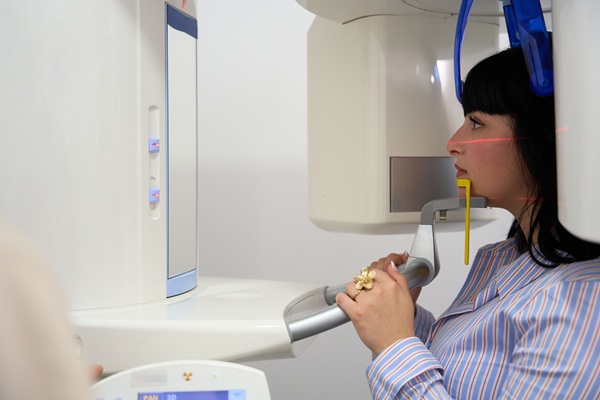
Offering unmatched precision, cone beam X-rays have transformed the way dental implants are planned. Implant success depends on detailed preparation, and this imaging technology provides the 3D insights oral surgeons need for reliable results. With accurate views of bone structure, soft tissue, and nerve pathways, implant planning becomes safer, more predictable, and better aligned with long-term outcomes.
The evolution of dental imaging
Dental imaging has long been a central component in planning surgical and restorative treatments. Traditional 2D X-rays and panoramic scans provide helpful information but often lack the detail required for easy implant placement. These methods offer limited views of jawbone density and do not clearly show the location of nerves and sinuses. This leaves some aspects of dental implant planning dependent on assumptions rather than precise measurements.
However, cone beam X-rays shifted how oral surgeons approach implant planning. They produce highly detailed 3D scans for a more comprehensive picture of oral anatomy. The resulting data allows for precise planning that minimizes the risks of complications.
How cone beam X-rays work
A cone beam X-ray captures a 3D image of the teeth, jaw, and surrounding structures in a single scan. Unlike traditional X-rays that compress anatomy into flat images, cone beam technology rotates around the patient to collect thousands of data points. The computer will then use these images to construct a digital model to provide views from multiple angles.
This process makes it possible to examine areas of interest in fine detail, down to the smallest variations in jawbone quality or tissue thickness. It also provides a clear view of nerve pathways, sinuses, and roots of neighboring teeth. Cone beam X-rays help make sure that no hidden issues compromise the stability or longevity of a dental implant.
How cone beam X-rays enhance dental implant planning
Successful implant placement requires precise knowledge of jaw structure, bone density, and available space. With traditional methods, these details were often estimated, creating a greater margin for error. On the other hand, cone beam X-rays eliminate guesswork by providing direct, measurable data.
Cone beam X-rays also help identify surgical challenges before treatment begins. For example, thin areas of the jawbone can be detected, avoided, or addressed with bone grafting before implant placement. How close the implants will be to nerve canals or sinus cavities can be mapped in advance, as well. This helps prevent complications, such as:
- Nerve injury
- Sinus perforation
- Damage to adjacent teeth
- Implant failure
Keep in mind that the placement of a dental implant must be exact for the restoration to function properly and remain secure. Since cone beam X-rays provide accurate measurements, they can help the surgeon determine the size, length, and angulation of each implant for better results.
The patient experience
Cone beam X-rays can also make the process of dental implant planning easier on the patient. The scans are quick, comfortable, and low in radiation while offering 3D visuals that clarify treatment plans. This transparency fosters trust between the patient and oral surgeon, streamlines the process, and yields predictable treatment outcomes.
Contact for more information
Cone beam X-rays have modernized dental implant planning. To learn more about how these scans can benefit you, contact us at (734) 961-4864. We can answer any questions and concerns you may have during an appointment.
Request an appointment here: https://greatlakesos.com or call Great Lakes Oral Surgery at (734) 961-4864 for an appointment in our Ann Arbor office.
Check out what others are saying about our services on Yelp: Cone Beam X-ray in Ann Arbor, MI.
Related Posts
Wisdom teeth extractions can help adults address pain, infections, crowding, and hard-to-clean third molars before they cause larger problems. Although many people get their wisdom teeth removed as teenagers, adults can also benefit from extraction when these back teeth do not have enough room to grow in properly. An oral surgeon evaluates the position of…
You need an oral surgeon for complex dental procedures. This dental care provider can perform non-invasive and invasive dental treatments. Understanding what happens during the first visit can ease your anxiety. Here are the things you should look forward to when you consult your oral surgeon.The oral surgeon will receive a referral from the patient’s…
Visiting an implant specialist is essential for patients considering dental implants to replace missing teeth and restore oral function. An implant specialist possesses advanced training and specialized expertise in dental implant procedures, ensuring optimal results and reducing the risk of complications. Consulting with an implant specialist helps patients achieve long-lasting, comfortable, and natural-looking replacements for…
TMJ disorders cause chronic pain and discomfort. Fortunately, an oral surgeon may perform maxillofacial surgery to treat these disorders, relieving pain and restoring mobility to the jaw. These procedures can also enhance the jaw's appearance. Find lasting comfort and improved jaw function with the help of maxillofacial surgery from an oral surgeon.These jaw disorders are…