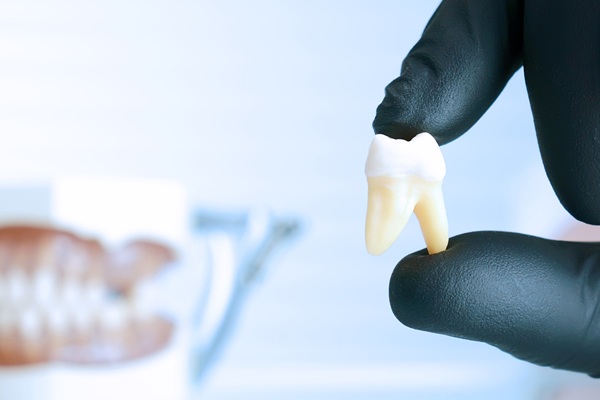
A Guide to Wisdom Teeth Extractions in Adulthood
can help adults address pain, infections, crowding, and hard-to-clean third molars before they cause larger problems. Although many people get their wisdom teeth removed as teenagers, adults can also benefit from extraction when these back teeth do not have enough room to grow in properly. An oral surgeon evaluates the position of the teeth, the health of the gums, and the condition of nearby molars before recommending care. With the right planning and recovery routine, adults can move through treatment with greater comfort and confidence.
When adults need wisdom teeth extractions: Signs and symptoms
Wisdom teeth are the last molars (third molars) in the mouth. Some adults have enough space to erupt normally and keep themselves clean without difficulty. Unfortunately, others have wisdom teeth that stay partly or fully beneath the gums, grow at an angle, or press against the second molars. This can lead to pain and swelling, repeated gum infections, cysts and noncancerous tumors, and damage to other molars. Having the problematic wisdom tooth extracted can help solve these issues.
Wisdom teeth extractions may also be necessary when a third molar repeatedly develops decay. Since these teeth sit so far back in the mouth, many adults struggle to thoroughly brush and floss around them. Removing a problematic tooth can make the area easier to maintain and help protect the healthy teeth nearby.
What happens during wisdom teeth extractions
Wisdom teeth extractions usually take place in an outpatient setting, which means patients return home the same day. The oral surgeon begins by ensuring the patient is comfortable with the selected pain management option, such as local anesthesia.
If a wisdom tooth has fully erupted, the surgeon may be able to remove it with a simple extraction. To do this, they will loosen it from the tooth socket and pull it out cleanly.
However, an impacted tooth may need a small opening in the gum tissue so the surgeon can access it safely. This is known as a surgical extraction. The surgeon may need to separate the tooth into smaller sections for full removal. They may also need to place stitches to promote healing.
The first few days of recovery
The early recovery period focuses on protecting the blood clot that forms in the extraction site. This clot supports healing and helps protect the underlying bone and nerves. Patients may experience mild bleeding, swelling, jaw stiffness, and soreness during the first few days. Thankfully, following the oral surgeon’s instructions can help the area heal more comfortably.
Helpful steps may include:
- Resting and avoiding strenuous activity for the first few days
- Applying a cold compress to the outside of the face
- Eating soft foods such as yogurt, applesauce, eggs, mashed potatoes, and smoothies with a spoon
- Avoiding straws, smoking, vaping, and forceful rinsing
- Taking prescribed or recommended medication exactly as directed
- Completing gentle saltwater rinses when the surgeon advises
Healing varies based on the number of teeth removed, the position of the teeth, the type of anesthesia, and each person’s overall health. Most people notice steady improvement, even though the tissues need more time to heal fully.
Get more information
Wisdom teeth extractions can relieve adults of recurring discomfort and reduce the risk of future issues in the back of the mouth. Some only need one wisdom tooth pulled, while others may benefit from having all of them pulled. An oral surgeon can explain whether extraction makes sense for your smile. Contact Great Lakes Oral Surgery today for more information.
Request an appointment here: https://greatlakesos.com or call Great Lakes Oral Surgery at (734) 961-4864 for an appointment in our Ann Arbor office.
Check out what others are saying about our dental services on Yelp: .
Related Posts
Wisdom teeth extractions are common procedures performed by an oral surgeon to prevent or address crowding, infection, and other complications associated with third molars. While the extraction itself is straightforward, proper care during the healing period supports a smooth recovery. With a few tips, patients can quickly recover from wisdom teeth extractions and avoid unnecessary…
Getting wisdom teeth extractions can seem like a nerve-wracking experience, but the process is actually quite straightforward, especially if you prepare ahead of time! By taking a few small steps, you can simplify the extraction and the recovery afterward so you can move on with your life as soon as possible. Before your wisdom teeth…
Wisdom teeth extraction may be necessary to achieve better dental health. Research shows that the third molars often emerge after all your teeth have erupted. Wisdom teeth may not be a problem at all. But in some cases, the dentist will recommend their removal. Here are the details on how a wisdom teeth extraction happens.This…
Appearance may be one of the first things people think about when it comes to tooth replacement. However, improved appearance is just one of the many benefits of replacing missing teeth. Tooth replacement can be key to improving not only how you feel about your smile but also boosting your oral health.Whether one chooses dentures,…