What to Expect When Consulting an Oral Surgeon
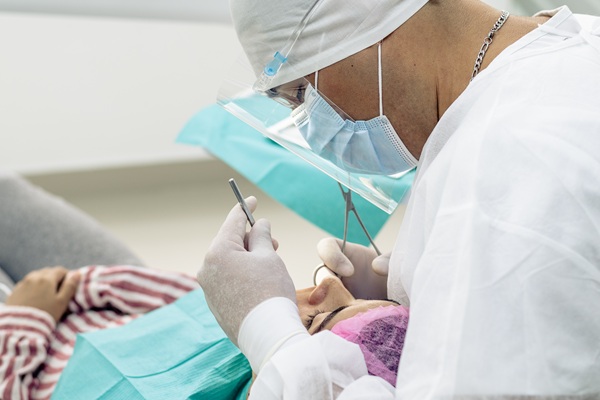
You need an oral surgeon for complex dental procedures. This dental care provider can perform non-invasive and invasive dental treatments. Understanding what happens during the first visit can ease your anxiety. Here are the things you should look forward to when you consult your oral surgeon.
Oral and medical history
The oral surgeon will receive a referral from the patient’s dentist. Even so, the surgeon will still need more information about the patient’s past dental issues. The patient will need to give details about any surgeries and allergies. Telling the surgeon about the current health conditions is also necessary.
Over-the-counter and prescription medications must be on the list that the patient provides. The oral surgeon must also note the supplements that the patient takes. The information that the patient provides will help create the right treatment plan. It can reduce the patient’s risks for complications as well.
Full oral exam and diagnostic imaging
The oral surgeon will examine the patient’s teeth, mouth, jaw, and gums. Doing so will help the dental professional understand the patient’s dental health. Diagnostic imaging tests, such as CT scans and dental X-rays, can provide 3D images. These scans will serve as guides for the procedures. The surgeon may also need an impression of the patient’s jaws. This will involve biting down on a tray for a couple of minutes.
Discussion of the treatment plan
After the diagnosis, the oral surgeon will determine what treatment will suit the patient. Discussing the procedure can help the patient prepare for it. The patient must also know what the recovery period will be like. There will also be a dialogue about the type of anesthesia for the procedure. Most patients choose general anesthesia. This will allow the patient to sleep through the procedure.
The oral surgeon will talk about the advantages and disadvantages of every type of anesthesia. This will include the anesthesia for the procedure. The patient will also get information about the complications and risks after the oral surgery. Receiving these details can help the patient in scheduling the procedure.
Preparing for surgery day will also be part of the discussion. The oral surgeon may ask the patient to arrive on an empty stomach. This will prevent vomiting from nausea during surgery. Someone must drive the patient to and from the facility. There will also be post-operative instructions that the patient must follow.
The oral surgeon will ask the patient if there are other things to clarify before the procedure. If there are concerns or doubts, this is the right time to express them. The patient can ask about the foods that are allowed after the procedure. The oral surgeon will tell the patient what medications to avoid and take, as well as when to go back to normal daily activities.
The consultation with your oral surgeon can help prepare you for your scheduled procedure
Going through oral surgery is a huge decision. That is why it is important to talk to your oral surgeon first. The first visit will clarify any issue that you have about the treatment. The discussion can help you feel better about the scheduled surgery and your recovery. Working with your oral surgeon can lead to the possible success of your dental surgery.
Request an appointment here: https://greatlakesos.com or call Great Lakes Oral Surgery at (734) 961-4864 for an appointment in our Ann Arbor office.
Check out what others are saying about our dental services on Yelp: Oral Surgery in Ann Arbor, MI.
Related Posts
If you are nervous about having maxillofacial surgery, you are not alone. Many people would rather avoid it. However, sometimes it is vital for your oral health. In addition, this type of surgery can improve your appearance, oral function, and quality of life. Therefore, getting past any anxiety surrounding maxillofacial surgery is crucial to getting…
Appearance may be one of the first things people think about when it comes to tooth replacement. However, improved appearance is just one of the many benefits of replacing missing teeth. Tooth replacement can be key to improving not only how you feel about your smile but also boosting your oral health.Whether one chooses dentures,…
Visiting an implant specialist is essential for patients considering dental implants to replace missing teeth and restore oral function. An implant specialist possesses advanced training and specialized expertise in dental implant procedures, ensuring optimal results and reducing the risk of complications. Consulting with an implant specialist helps patients achieve long-lasting, comfortable, and natural-looking replacements for…
An implant specialist helps restore chewing strength, smile balance, and long-term oral health when tooth loss disrupts daily life. Oral surgeons evaluate bone biology, bite forces, and smile goals to determine candidacy. Early consultation prevents additional wear, jaw strain, and digestive frustration. Clear guidance replaces uncertainty and sets a path toward stable, attractive teeth.Frequent cheek…